BIN Checker
Enter the first 6 to 8 digits of any payment card to see its network, card type, issuing bank and country.
Looked up in your browser, in a database of 162,426 BINs. Nothing you type is sent anywhere.
- Network
- Not known yet
- Card type
- Not known yet
- Issuing bank
- Not known yet
- Country
- Not known yet
- BINs indexed
- 162K+
- Card issuers
- 17K+
- Countries
- 217
Browse the BIN database
Search by country, issuing bank or the BIN itself. Pick a country to see its banks, and a bank to see its BINs.
217 countries. The United Kingdom first, then by BINs listed.
What a card number tells you
A card number isn't random. Its first digits name the network and the bank, and its last digit checks all the others.
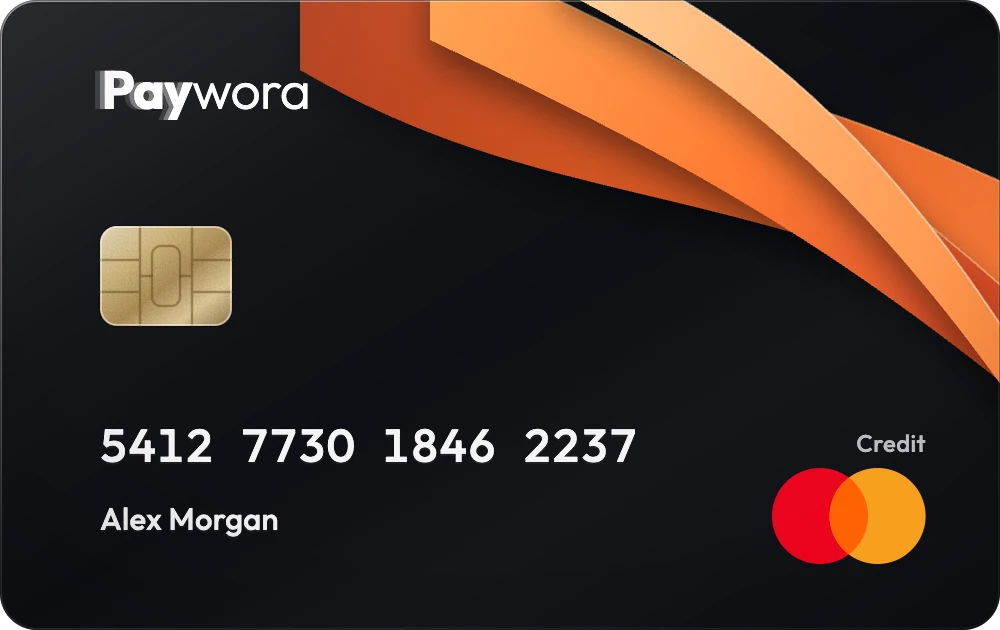
The first digit names the network
4 is Visa, 2 and 5 are Mastercard, 3 is American Express, JCB or Diners Club, and 6 is often Discover or UnionPay.
The first 6 to 8 digits are the BIN
The bank identification number says which bank issued the card, and what kind of card it is: debit, credit or prepaid.
The middle is the account
The digits after the BIN, up to the last one, point to one card account at that bank. No BIN database holds them.
The last digit checks the rest
It's worked out from the other digits with the Luhn formula, so a mistyped number fails before any payment is tried.
What is a BIN?
A BIN, or bank identification number, is the first six to eight digits of a payment card number. It tells a merchant which bank issued the card, on which network, and what kind of card it is. It is also called an IIN, an issuer identification number.
What can a BIN tell me?
The card's network, such as Visa or Mastercard, the bank that issued it, the card type, such as debit, credit or prepaid, often its level, such as Classic or Platinum, and the country it was issued in. Merchants use it to route a payment and to notice a card that doesn't fit the order.
Can a BIN identify the cardholder?
No. A BIN describes a card program that many cards share. It says nothing about who holds a card, its balance, or whether it is active.
Why do some BINs have eight digits?
The card industry has been moving from six-digit to eight-digit BINs to make room for more issuers, so on a newer card the first eight digits may be needed to name the exact card program. This checker reads up to eight, but its database lists ranges by their first six, so cards that share six digits get the same answer.
Where does the data come from, and how accurate is it?
From bin-list-data by Venelin Kochev (BinLookup.io), its February 2025 release, used under the CC BY 4.0 licence. On 29 September 2026 Paywora kept the eight international card networks, dropped placeholder and test ranges and rows that don't match their network's numbers, and tidied the bank names. Card networks don't publish their BIN tables, and banks move, merge and reuse ranges, so treat a result as a guide, not a guarantee.
Is it safe to type a card's first digits here?
Yes. The first six to eight digits aren't enough to pay with, and the lookup runs in your browser: the database comes to the page, and nothing you type is sent anywhere. Never share a full card number, its expiry date or its security code.
Which cards does Paywora issue?
Paywora issues virtual Visa and Mastercard cards for paying online: subscriptions, advertising, software and travel. Each card has its own limit, and you can freeze it at any time.